Combine olive oil, lemon juice, minced garlic, thyme, rosemary, paprika, salt, and pepper in a small bowl. Whisk until the herbs distribute evenly—I learned this the hard way when Connor got a pocket of raw garlic and rejected the entire plate. This base is your insurance policy against bland fish.
Pat the tilapia fillets completely dry with paper towels, which prevents steaming and lets them develop a light crust. Wet fish releases moisture that creates steam, and steam means no browning. I confess I used to skip this step thinking it added nothing—now I see it as the invisible hero of the grilling process.
Brush both sides of each fillet generously with the herb mixture, making sure the rosemary and thyme stick to the surface where they'll toast. The oil carries the seasoning into every fiber, which is why this tastes nothing like basic grilled fish. I use about two-thirds of the mixture here and reserve the rest for the finish.
Preheat your grill to medium-high heat, roughly 375°F, and lightly oil the grates to prevent sticking. Give the grill two minutes to stabilize before you place any fish on it. Tom learned this when his first attempt stuck like it was glued, so I'm saving you that frustration.
Place fillets on the grill and resist the urge to move them for exactly 4 minutes—this is when the proteins set and browning happens. The bottom will look opaque and feel slightly firm when you gently press it with your finger. Walking away is harder than it sounds, but this patience creates that restaurant-quality finish everyone asks about.
Flip each fillet gently with a fish spatula, never fork, and grill for another 3 to 4 minutes until the second side is opaque throughout. A fillet is done when it flakes easily at the thickest point but still feels slightly yielding. Under-cooked fish feels gelatinous; over-cooked tastes like cardboard, so the window is real but not impossible.
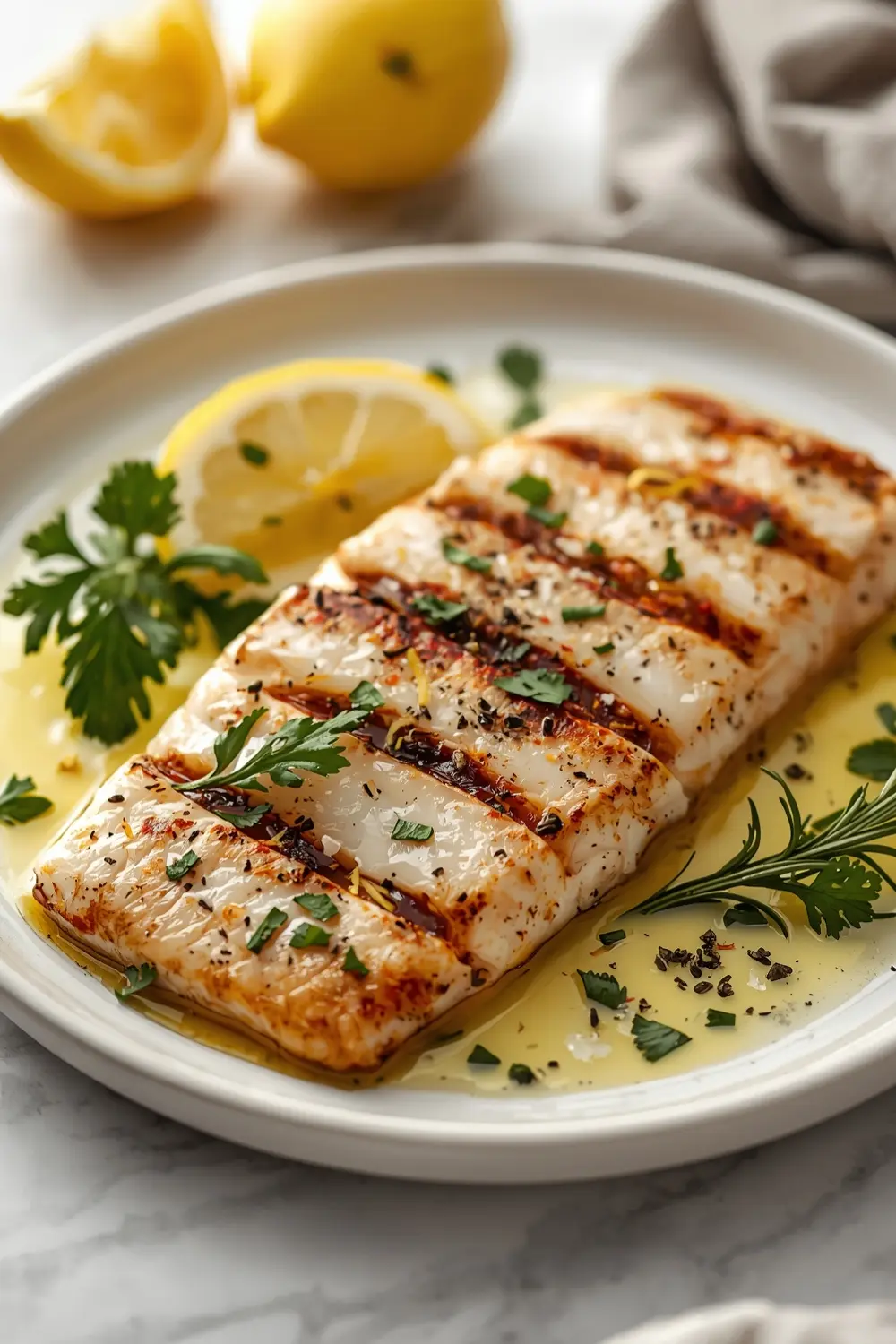
In the final minute of cooking, drizzle the reserved herb oil and the honey over each fillet, letting it caramelize into a light glaze. The honey should bubble slightly but not blacken—this is the moment that transforms ordinary into "Can we have this again tomorrow?" The sweetness balances the herb intensity perfectly.
Transfer fillets to a serving platter and scatter fresh parsley and lemon zest across the top while they're still warm. The herbs bloom in the residual heat, and the zest adds a burst of brightness that makes people pause before eating.