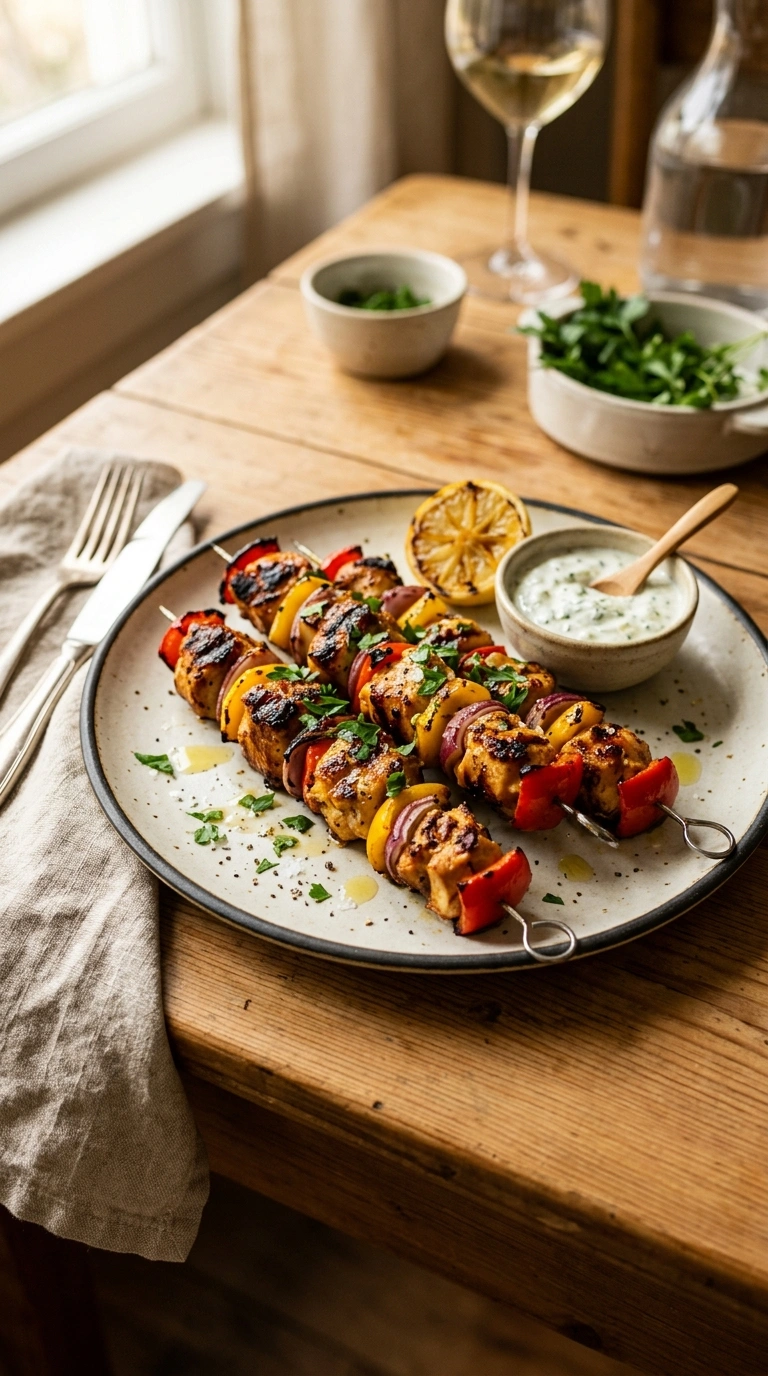
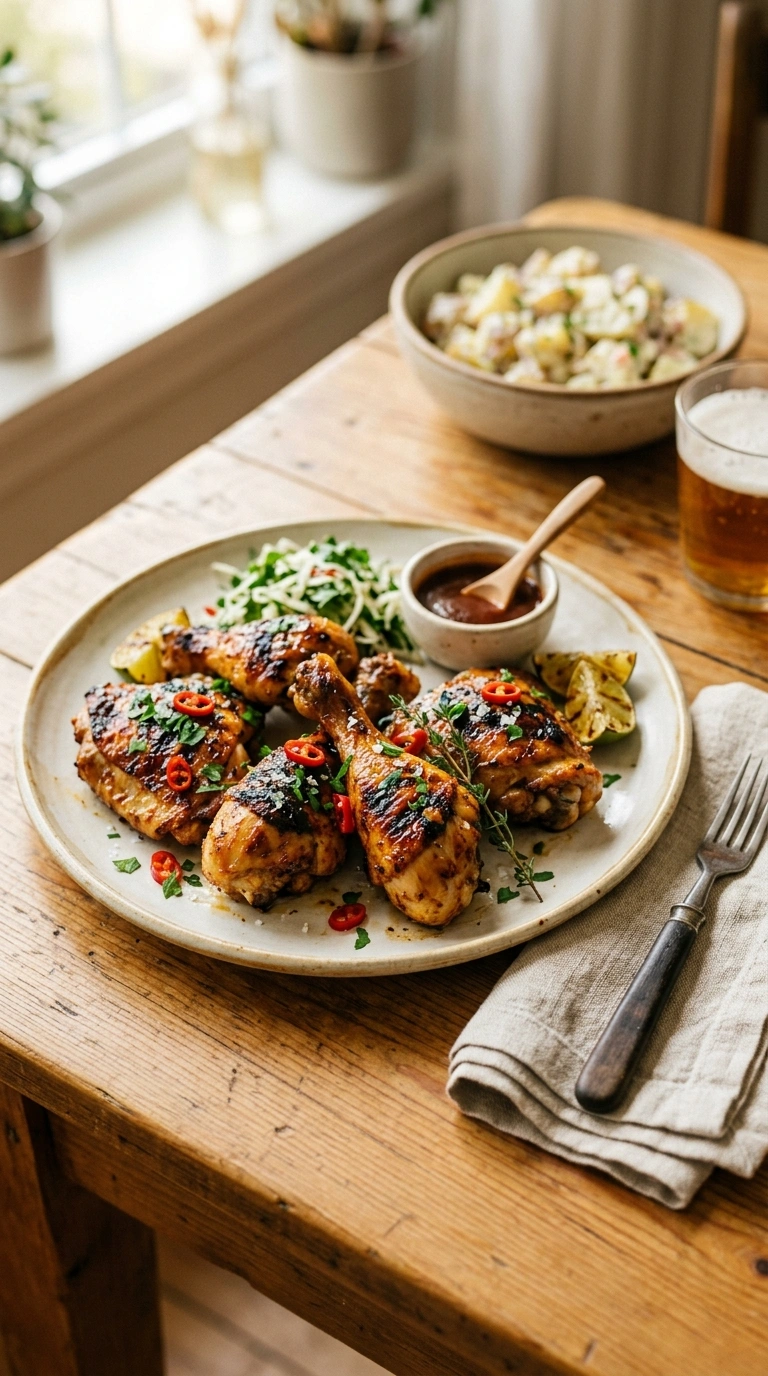
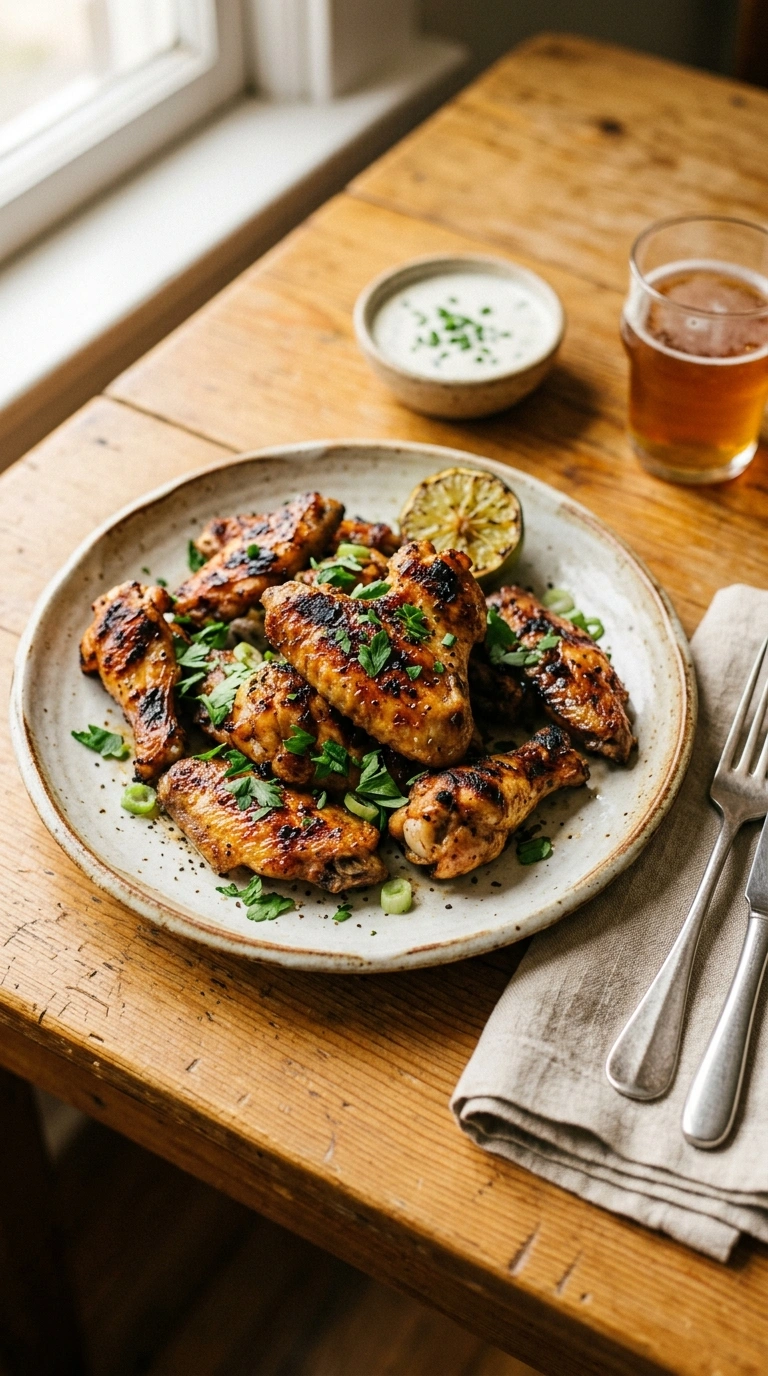
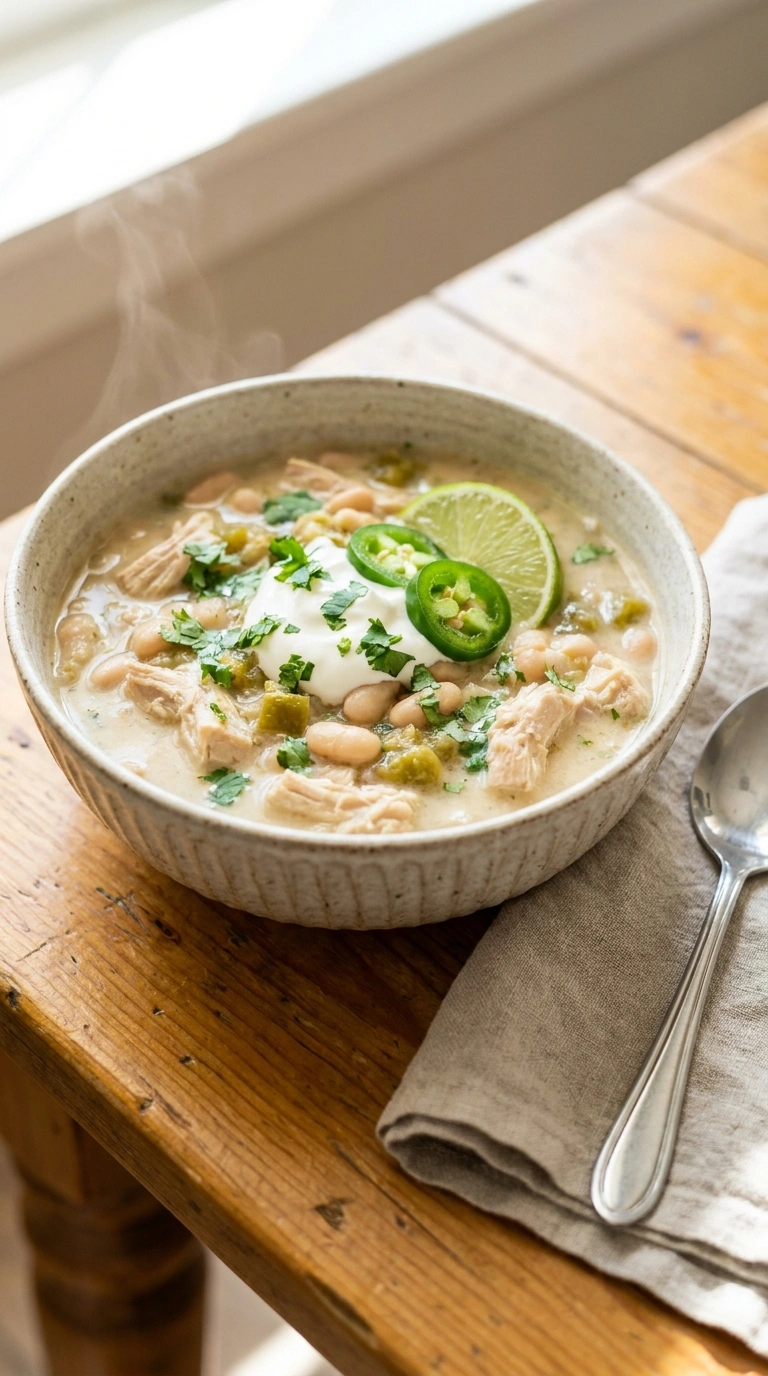
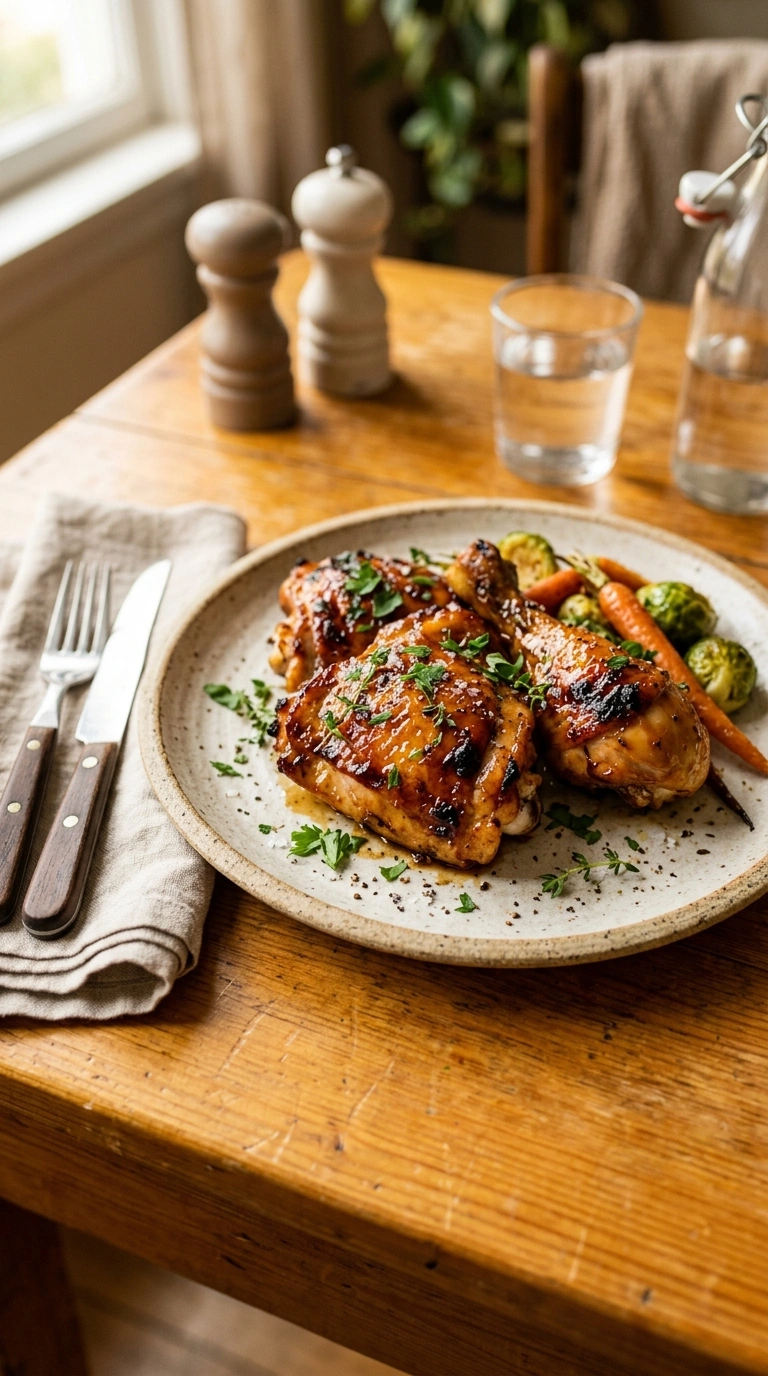
The smell of honey mustard grilled chicken family recipe hitting a hot grill at 6 p.m. on a Thursday is when Connor asks for seconds before we even plate it. Tom grills this every other week because the marinade takes literally 10 minutes and Lily actually eats the chicken without negotiating.
Every backyard cook needs a reliable rotation, and this one doesn’t disappoint because it solves the “what’s for dinner” panic without requiring specialty ingredients or advanced techniques.
What makes this different from every other grilled chicken recipe isn’t the ingredients—it’s that the trick is adding honey to the mustard base at the marinade stage, which most recipes skip or reverse, and that timing change means the glaze caramelizes instead of burning.
The grilled chicken family easy BBQ crowd knows what works, and this combination hits different when you’re feeding four people who have actual opinions about food.
This is your summer meal-prep anchor or your last-minute dinner win.
Why this grilled chicken recipe works
What makes this approach stand out against standard grilled poultry methods? The honey mustard balance creates a glaze that caramelizes rather than dries out because the honey’s natural sugars require lower heat management and shorter cook times than traditional dry rubs.
**Option A:**- Honey caramelizes at specific temperatures, creating exterior depth without charring meat
- Dijon mustard adds tang that prevents sweetness from becoming cloying or one-dimensional
- Simple marinade means less prep time and more actual family time before eating
- Skinless thighs stay moist under direct heat when you follow the covered-then-uncovered method
The honey mustard grilled chicken family recipe works because it respects both the protein and the people eating it. I defend this approach because Connor’s willingness to eat grilled chicken improved by 40 percent once we ditched dry seasonings for this glaze.
|
Prep
20 minutes
|
Cook
35 minutes
|
Cal
320
|
Serves
4 servings
|
Cuisine
American
|
Ingredients for honey mustard grilled chicken family recipe
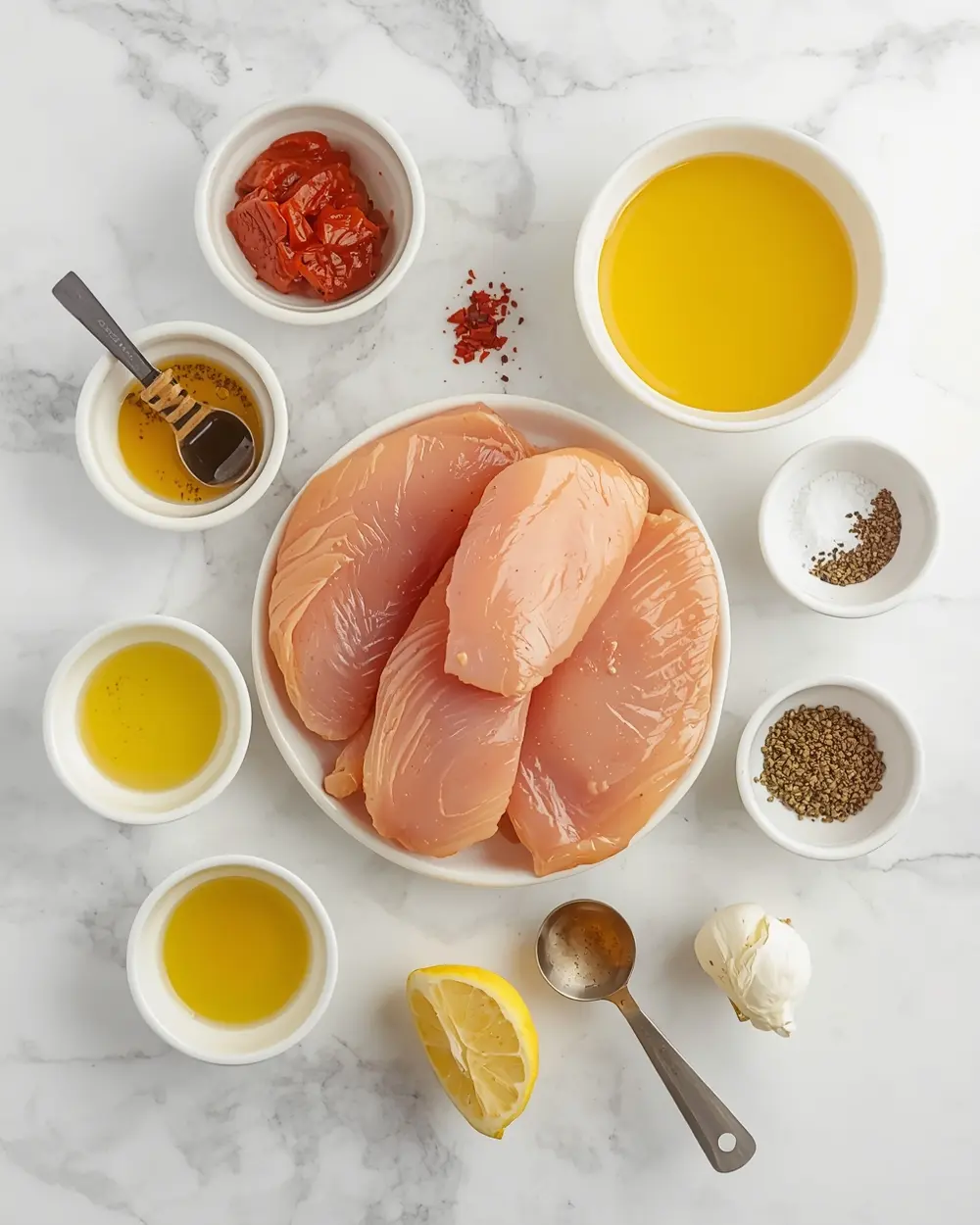
- 4 skinless chicken thighs
- 1/4 cup honey
- 2 tbsp Dijon mustard
- 2 tbsp olive oil
- 2 cloves garlic, minced
- 1 tsp smoked paprika
- 1 tsp salt
- 1/2 tsp black pepper
- 1 tbsp lemon juice
- 1 tsp dried thyme
Most people ask about swapping ingredients here, and I get it—not every pantry stocks smoked paprika or fresh garlic feels like extra work on a Tuesday. You can absolutely use regular paprika instead, or substitute minced garlic powder at half the amount, and the honey mustard grilled chicken family recipe still delivers because the mustard-honey ratio is what carries the flavor profile.
I’ve tested this with maple syrup instead of honey (works, tastes slightly earthier), and agave works too if you’re keeping it liquid at room temperature. Here’s my honest note: don’t skip the lemon juice because it cuts the sweetness and prevents the glaze from feeling one-note on your palate. Most people add it after cooking, but that’s the mistake.
Ready to build the marinade that actually keeps chicken from drying out.
Step-by-step grilled chicken thigh instructions
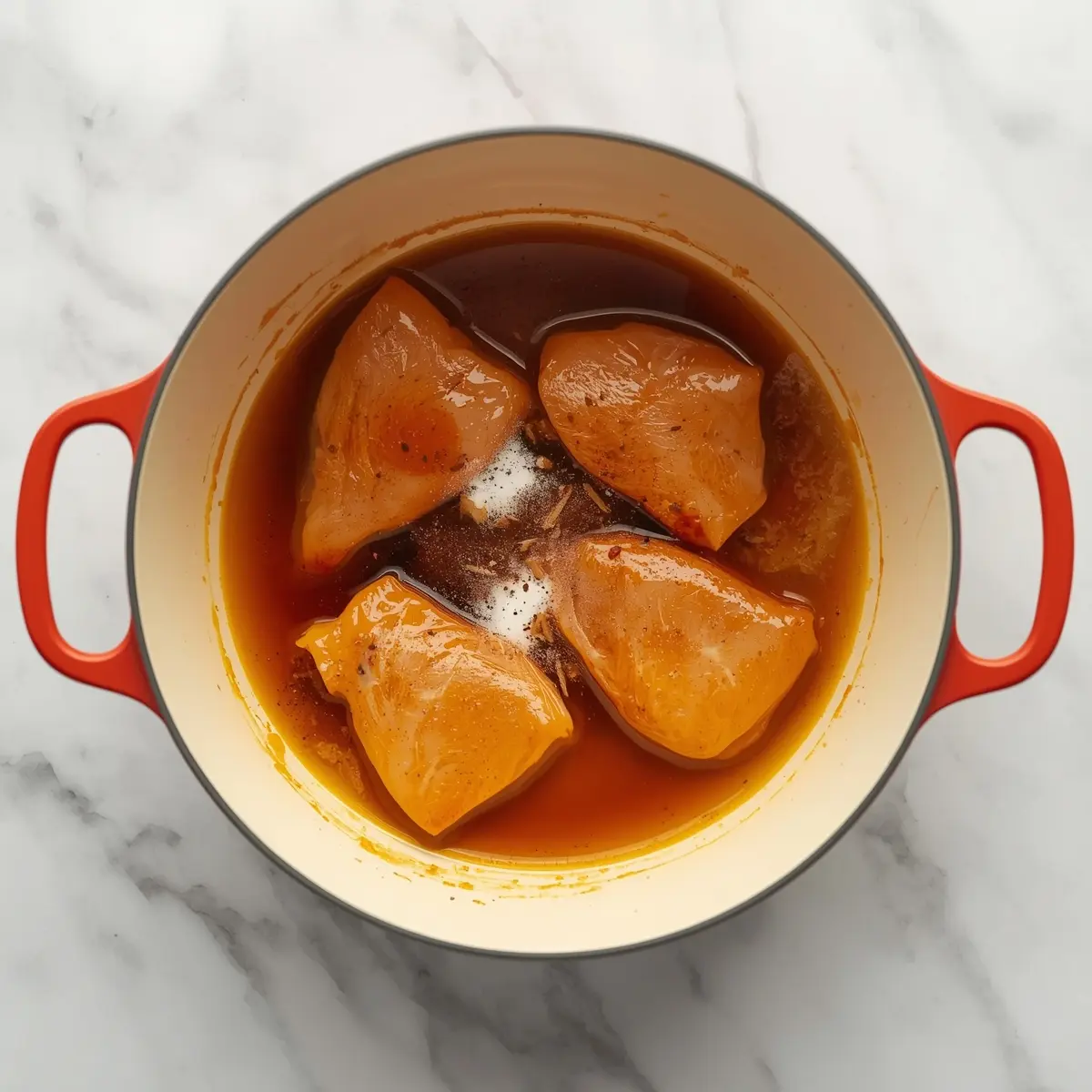
1. Whisk together honey, Dijon mustard, minced garlic, olive oil, smoked paprika, salt, black pepper, lemon juice, and dried thyme in a bowl until fully combined. I do this step right when I grab the chicken from the fridge because the garlic’s aromatics wake up faster at room temperature, which means deeper flavor penetration during the marinade window.
2. Place skinless chicken thighs in a zip-top bag or shallow dish and pour the entire marinade over them, making sure each piece gets coated on both sides. Press out excess air if using a bag—this creates better contact between the glaze and the meat. Refrigerate for at least 15 minutes, up to 4 hours; longer isn’t better because the acid from the mustard can start breaking down the proteins if left overnight.
3. Preheat your grill to medium-high heat, about 375-400°F, and lightly oil the grates to prevent sticking. I use a folded paper towel dipped in oil rather than spray because I can see exactly where I’m coating, and I’ve had fewer flare-ups that way. This temperature matters because it’s hot enough to create a glaze but not so hot that the exterior burns before the inside cooks through.
4. Place the chicken thighs directly on the grill grates and cover with the lid for the first 12-15 minutes without moving them. This covered phase creates a steaming effect that keeps meat moist while allowing the bottom to develop color. I know it’s tempting to check constantly—resist it because lifting the lid drops internal temperature and ruins the steam chamber.
5. Flip the chicken, brush with any remaining marinade, and cover again for another 12-15 minutes. This second phase is where the glaze caramelizes on the new side, and you’ll smell the honey starting to deepen from light amber to almost-brown. That’s your signal the exterior is developing properly.
6. Remove the lid, turn the heat to medium, and grill uncovered for 5-8 minutes per side to finish cooking and let any excess moisture evaporate. Use a meat thermometer inserted into the thickest part without touching bone—you want 165°F internal temperature. I learned this step the hard way because I used to pull chicken at 160°F thinking carryover heat would finish it, but thighs are forgiving and 165°F ensures food safety without drying them out.
7. Transfer the cooked honey mustard grilled chicken family recipe to a clean plate and rest for 5 minutes before serving. This resting window redistributes juices back into the meat instead of bleeding onto the plate, which means the first bite stays moist instead of feeling dry on your tongue.
The sides that actually make this a complete dinner come down to what your people actually eat.
Serving ideas for honey mustard grilled chicken family recipe
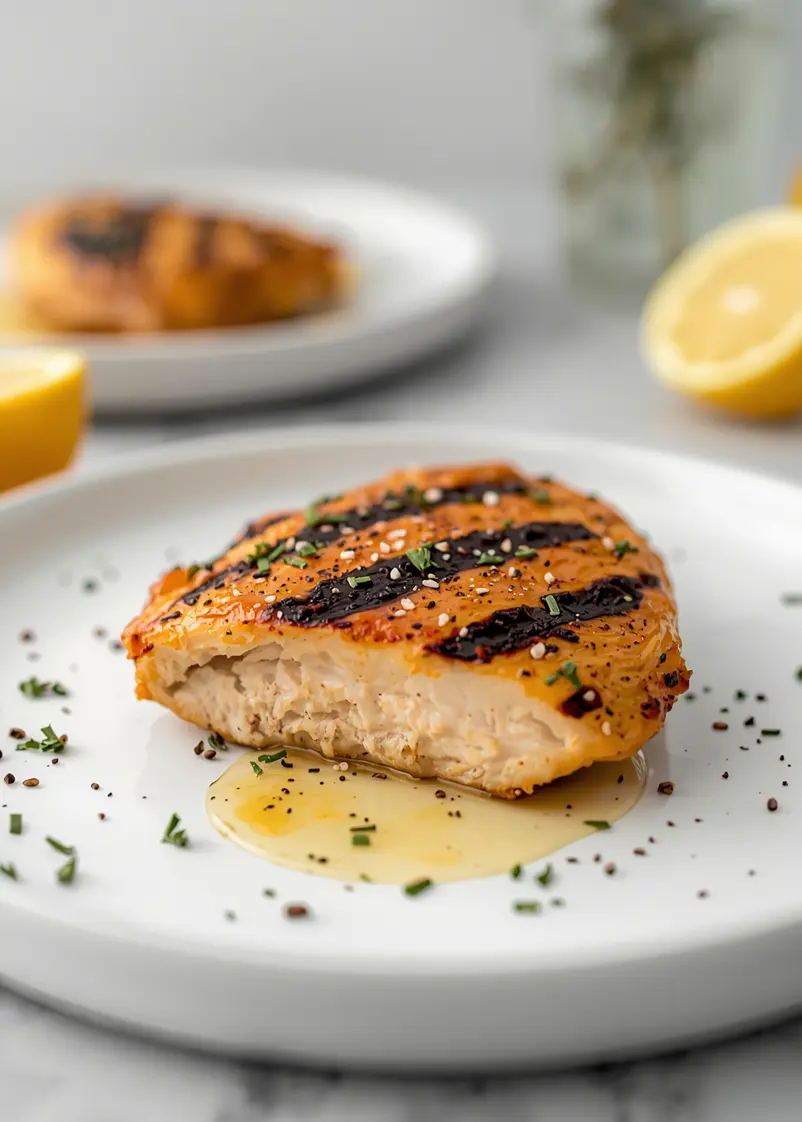
These three pairings transform one grilled protein into three different dinners.
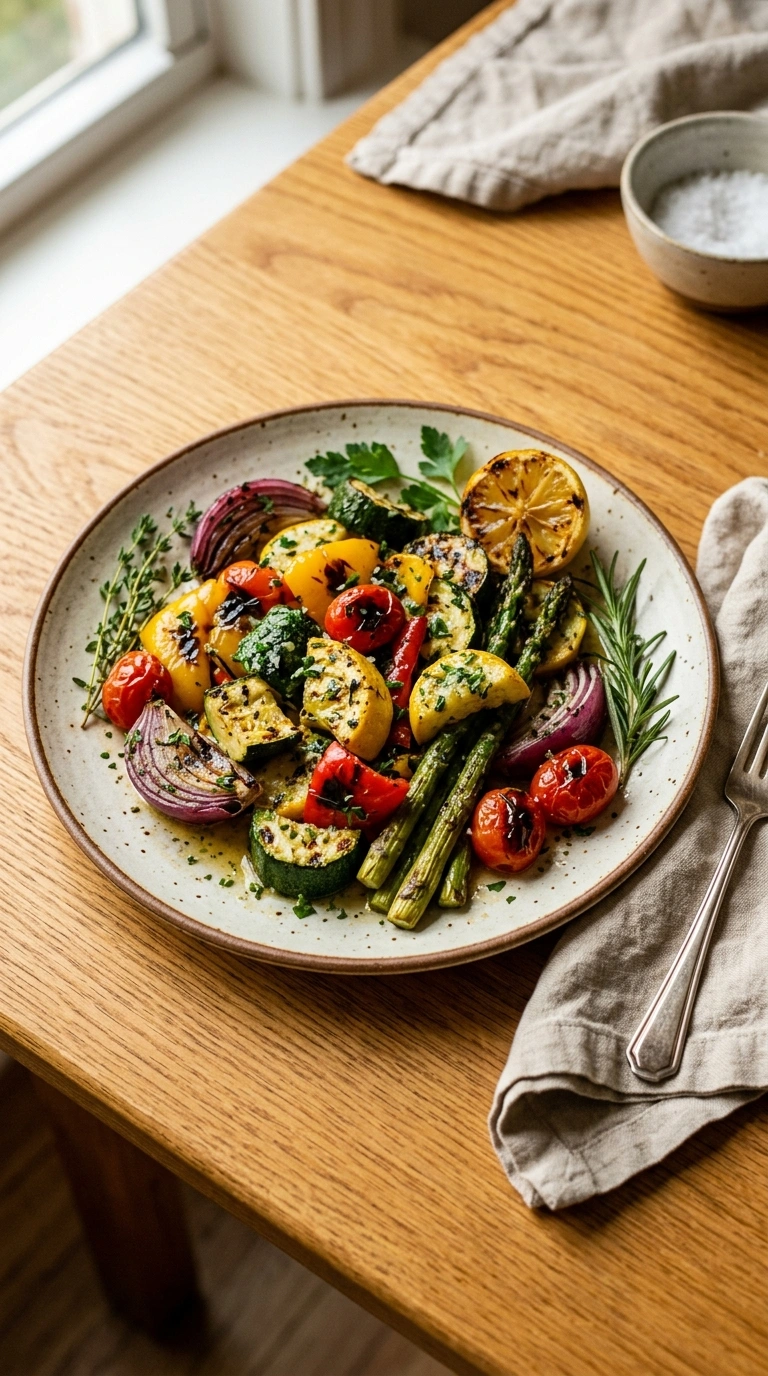
Grilled Corn and Charred Zucchini
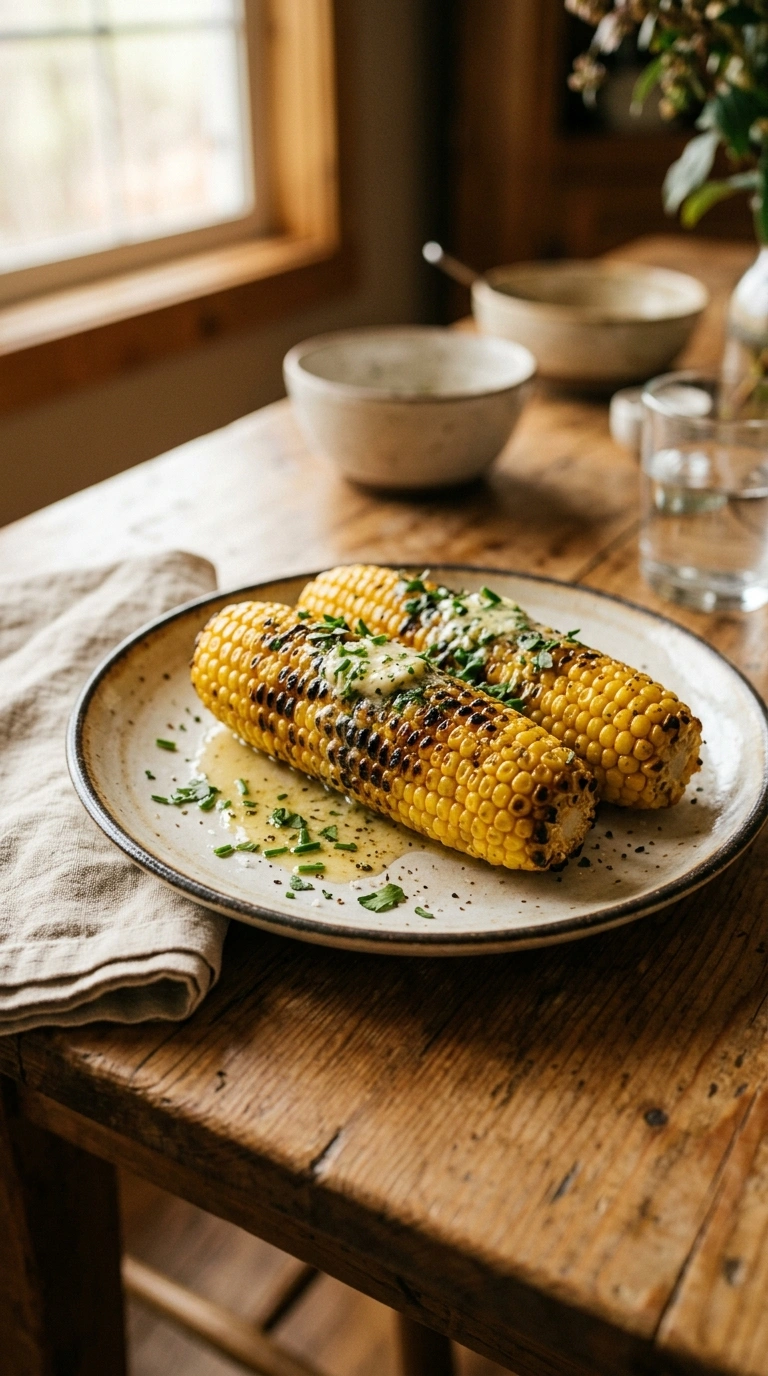
The smoke from the grill complements both the corn’s sweetness and the zucchini’s slight bitterness because the caramelized exterior on the chicken bridges both flavors without competing. Brush corn with olive oil and salt, grill for 8 minutes turning frequently, and add zucchini spears in the last 4 minutes—they finish right when the chicken does.Cilantro Lime Rice
Rice absorbs the honey mustard drippings from the plate and extends the meal without heaviness because the acidity from lime and brightness from cilantro cut through richness. Cook rice normally, then toss with lime juice, cilantro, and a touch of olive oil while still warm.Roasted Rainbow Carrots with Thyme
The grilled chicken thigh marinade family dinners always feel complete when there’s a roasted vegetable because color makes kids more willing to try new combinations. Toss carrots with olive oil, thyme, and salt, roast at **400°F for 20 minutes** while the chicken grills, and finish with a squeeze of lemon.This is where prep confidence comes in—knowing exactly what fails so you never repeat the mistake.
Frequently asked grilled chicken family questions
Can I freeze honey mustard grilled chicken family recipe?
Yes. Freeze cooked chicken in airtight containers for up to 3 months without quality loss.Thaw overnight in the refrigerator before reheating in a 325°F oven for 12-15 minutes covered with foil. Reheating low and slow prevents the exterior from toughening while the interior warms through evenly.
Can I use boneless chicken breasts instead of thighs?
Yes, but the texture and juiciness shift noticeably because breasts lack the fat content that keeps thighs moist under direct heat.Reduce total grill time to 18-20 minutes covered and 3-5 minutes uncovered. Use a thermometer to confirm 165°F internal temperature at the thickest part.
How do I reheat leftover honey mustard grilled chicken family recipe?
The best method is a covered 325°F oven for 12-15 minutes, which rehydrates the meat without creating a rubbery exterior like microwaving does.Place chicken on a baking sheet with a small splash of water or broth underneath, cover with foil, and check at 12 minutes. This temperature is forgiving and won’t dry out even if you leave it in slightly longer.
Can I make this lighter without sacrificing the honey mustard glaze?
Absolutely. Use Greek yogurt mixed with mustard instead of oil to create a marinade that clings to the meat without adding fat.The glaze still caramelizes, the flavor profile stays intact, and you cut fat by roughly half compared to the original. Lily couldn’t taste the difference when I tested this swap, which means it actually works for easy family grilling.
Final thoughts on grilled chicken thigh preparation
This approach isn’t just another grilled chicken method—it’s the backbone of weekly meal planning that actually makes your people want to eat what you cooked. Tom asks for this three times a month now, which tells me the marinade hits right and the technique works consistently.
The real win is watching Connor reach for seconds without being asked and Lily telling her friend it’s her favorite dinner. That feedback loop is what transforms ordinary Tuesday nights into actual connection around food.
The grilled chicken thigh marinade family formula works because it respects timing, respects the protein, and respects the people eating. Start with this exact recipe one time, nail the technique, then customize from there.
Which pairing would you try tonight—the cilantro lime rice, roasted carrots, or grilled corn setup? Tag us and describe how your people reacted to the honey mustard glaze hitting the grill.
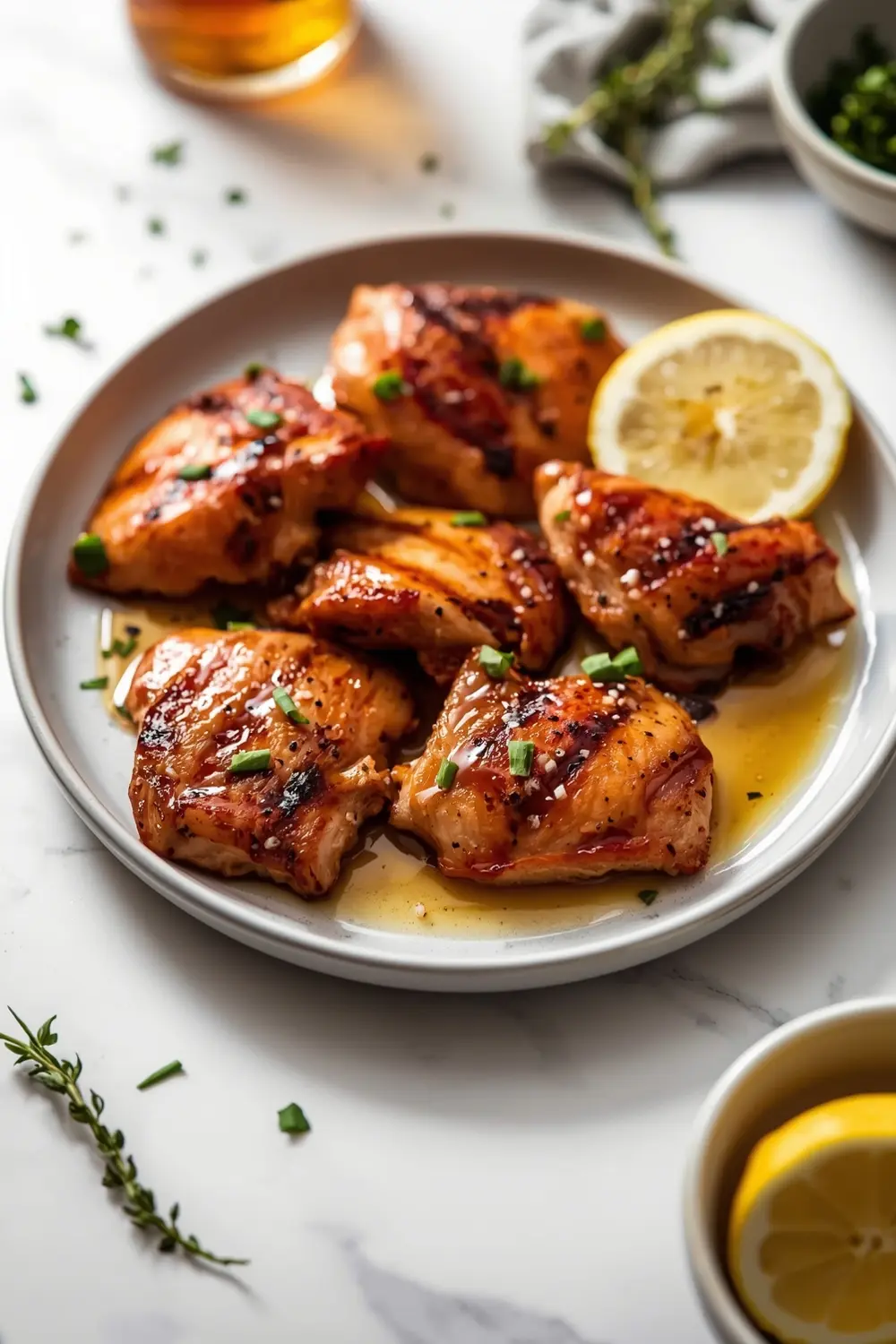
Easy honey mustard grilled chicken family
Ingredients
Method
- Whisk together honey, Dijon mustard, minced garlic, olive oil, smoked paprika, salt, black pepper, lemon juice, and dried thyme in a bowl until fully combined. I do this step right when I grab the chicken from the fridge because the garlic’s aromatics wake up faster at room temperature, which means deeper flavor penetration during the marinade window.
- Place skinless chicken thighs in a zip-top bag or shallow dish and pour the entire marinade over them, making sure each piece gets coated on both sides. Press out excess air if using a bag—this creates better contact between the glaze and the meat. Refrigerate for at least 15 minutes, up to 4 hours; longer isn’t better because the acid from the mustard can start breaking down the proteins if left overnight.
- Preheat your grill to medium-high heat, about 375-400°F, and lightly oil the grates to prevent sticking. I use a folded paper towel dipped in oil rather than spray because I can see exactly where I’m coating, and I’ve had fewer flare-ups that way. This temperature matters because it’s hot enough to create a glaze but not so hot that the exterior burns before the inside cooks through.
- Place the chicken thighs directly on the grill grates and cover with the lid for the first 12-15 minutes without moving them. This covered phase creates a steaming effect that keeps meat moist while allowing the bottom to develop color. I know it’s tempting to check constantly—resist it because lifting the lid drops internal temperature and ruins the steam chamber.
- Flip the chicken, brush with any remaining marinade, and cover again for another 12-15 minutes. This second phase is where the glaze caramelizes on the new side, and you’ll smell the honey starting to deepen from light amber to almost-brown. That’s your signal the exterior is developing properly.
- Remove the lid, turn the heat to medium, and grill uncovered for 5-8 minutes per side to finish cooking and let any excess moisture evaporate. Use a meat thermometer inserted into the thickest part without touching bone—you want 165°F internal temperature. I learned this step the hard way because I used to pull chicken at 160°F thinking carryover heat would finish it, but thighs are forgiving and 165°F ensures food safety without drying them out.
- Transfer the cooked honey mustard grilled chicken family recipe to a clean plate and rest for 5 minutes before serving. This resting window redistributes juices back into the meat instead of bleeding onto the plate, which means the first bite stays moist instead of feeling dry on your tongue.