PERSONA LOCK — APPLIED: Tom, Lily, Connor
The smell of roasted butternut squash filling your kitchen on a crisp September afternoon is the exact moment butternut squash soup fall family recipe becomes a seasonal ritual. Connor asks what’s for dinner the second he walks in from school, drawn by that warm, spiced aroma that signals autumn has officially arrived.
This soup isn’t complicated—it’s the kind of easy fall soup that proves comfort doesn’t require hours in the kitchen. Tom mentioned last year that he’d never had homemade butternut squash before, and now he requests it every single October.
The trick is adding coconut milk at the end of cooking rather than blending it in from the start, which most recipes skip—that’s what keeps the soup velvety without tasting overly rich or one-dimensional. You’ll notice the difference immediately: the spices stay bright instead of muted.
This butternut squash soup fall family recipe belongs on your table before Halloween arrives, and I’m sharing exactly why it works so well for every age at the table. You can prep this 4th july corn on the cob family dinner experience requires, then adapt it to whatever your household needs. Save this recipe now—you’ll make it at least six times before December.
Why this autumn comfort soup works
What makes this butternut squash soup fall family recipe different from every other version? Because the combination of ginger, cumin, and nutmeg creates depth instead of cloyingness, while coconut milk adds body without dairy heaviness.
- Roasting cubed squash caramelizes the natural sugars for actual depth, not just sweetness
- Ground ginger adds warmth and aids digestion, because this is medicine disguised as comfort food
- Coconut milk added after blending prevents the soup from tasting flat or one-note
- Total time stays under an hour, which matters when you’re juggling school pickups and work deadlines
|
Prep
20 minutes
|
Cook
35 minutes
|
Cal
180
|
Serves
6 servings
|
Cuisine
American
|
Ingredients for butternut squash soup fall family recipe
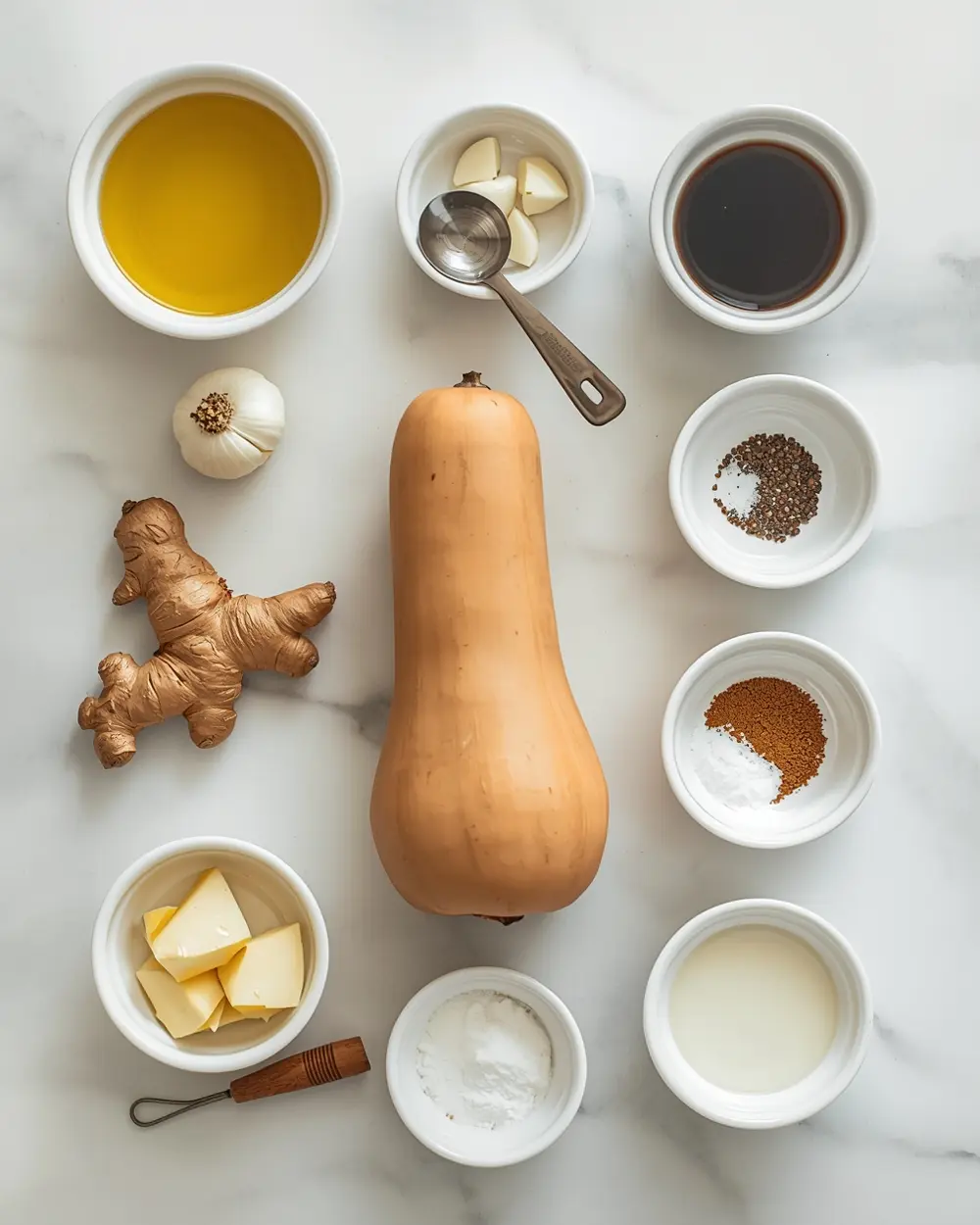
- 2 tbsp olive oil
- 1.5 lb butternut squash, peeled and cubed
- 1 medium onion, diced
- 2 cloves garlic, minced
- 4 cups low-sodium vegetable broth
- 1 cup canned coconut milk
- 1 tsp ground ginger
- 1/2 tsp ground cumin
- 1/4 tsp ground nutmeg
- 1/2 tsp salt
- 1/4 tsp black pepper
I know canned coconut milk intimidates some people—trust me, it’s a game-changer here. If you’ve never used it, just shake the can well before opening, and don’t skip it thinking regular milk works the same way, because the fat content completely changes how the soup tastes and coats your mouth. You can absolutely swap the vegetable broth for chicken broth if that’s what you have, and the butternut squash soup fall family recipe works equally well both ways. Some kitchens keep coconut milk on the shelf constantly; some buy it specifically for this dish. Either way, grab a can.
Step-by-step easy fall soup instructions

1. Heat olive oil in a large pot over medium-high heat for exactly one minute. Add diced onion and cook until the edges turn translucent, stirring occasionally—about three minutes. You’ll notice the kitchen starting to smell different already; that’s the aromatic compounds releasing.
2. Add minced garlic and cook for 30 seconds only, because garlic burns faster than you’d expect and bitter garlic ruins everything downstream. Stir constantly so the garlic toasts lightly instead of blackening.
3. Add cubed butternut squash and all the spices—ginger, cumin, nutmeg, salt, and pepper—to the pot right now. Stir everything together for about two minutes so the spices bloom in the oil; this is where the depth comes from. I learned this trick from burning an entire batch of soup by skipping this step.
4. Pour in vegetable broth and bring the mixture to a boil, then reduce heat to medium and simmer for 25-30 minutes until squash is completely tender when pierced with a fork. Don’t rush this stage—undercooked squash won’t blend smoothly, and you’ll end up with a grainy texture nobody wants.
5. Remove the pot from heat and let it cool for five minutes before carefully blending. Use an immersion blender directly in the pot, working in sections if you’re nervous, or transfer to a blender in batches—just be careful with hot soup because it splatters. Blend until completely smooth; this usually takes two to three minutes of solid blending.
6. Return the pot to the stove over low heat and stir in the entire can of coconut milk slowly, tasting as you go. Some people prefer more coconut flavor; others want less. This is your butternut squash soup, so adjust it to your preference.
7. Simmer on low heat for three more minutes just to warm everything through, then taste and adjust seasonings. Add more salt if it tastes flat, more ginger if you want more warmth, more cumin if you want earthiness.
The best part comes next—deciding what goes into each bowl.
Serving ideas for butternut squash soup fall family recipe

Serve this easy fall soup in deep bowls so toppings actually stay put instead of sliding off into laps.
Crispy sage and brown butter
Melt two tablespoons of butter in a small skillet, add fresh sage leaves, and cook until the butter browns and the sage gets crispy around the edges. Drizzle this entire mixture over each bowl—the nutty butter complements the squash because both share toasted, caramelized flavors.Roasted chickpea crunch
Toss canned chickpeas with olive oil, smoked paprika, and salt, then roast at 400°F for 20 minutes until they’re crispy. These add protein and texture, which Lily actually eats without complaint, unlike most soup toppings she usually pushes to the side.Crusty bread and aged cheddar
Toast thick slices of sourdough, rub with garlic, then top with sharp aged cheddar that melts slightly from the soup’s heat. This transforms the **butternut squash soup fall family recipe** into something closer to a complete meal than a starter.The easiest topping is always just a drizzle of good olive oil and a crack of black pepper, and that’s exactly what Tom chooses most nights. 4th july corn on the cob family occasions deserve simple elegance sometimes.
Frequently asked easy fall soup questions
Can you freeze butternut squash soup fall family recipe?
Yes. Freeze in portion-sized containers for up to three months without any quality loss.Cool the soup completely to room temperature before freezing, which prevents ice crystals from forming. Leave half an inch of headspace because soup expands slightly as it freezes.
Can you substitute the coconut milk?
Yes, though the texture changes slightly. Heavy cream, regular milk, or Greek yogurt all work, but coconut milk creates the best mouthfeel.Dairy options make the soup richer but less interesting; coconut milk adds subtle sweetness that complements the spices better because of its fat structure.
How do you reheat this soup properly?
Reheat gently over low heat on the stovetop for five to seven minutes, stirring occasionally.Never microwave this soup because it heats unevenly and can scald your mouth. Stovetop reheating at low to medium heat keeps the texture smooth and the flavors balanced throughout.
Can you make this lighter without the coconut milk?
Yes, absolutely. Skip the coconut milk entirely and use vegetable broth exclusively, or replace half of it with low-fat Greek yogurt stirred in after blending.The soup becomes less decadent but still tastes wonderful because butternut squash provides natural creaminess even without dairy or coconut additions.
Final thoughts on autumn comfort soup
Your kitchen deserves this butternut squash soup fall family recipe simmering on the stove right now. The smell alone makes homework time easier and after-work stress feel smaller.
Lily requests this by name every September, which tells you everything about whether Connor will actually eat it—because those two have completely opposite food preferences, yet both demolish bowls of this soup. Tom keeps asking me to make double batches because he’s already eyeing the freezer for November.
This isn’t just soup. It’s the moment your house stops feeling rushed and starts feeling like autumn has officially begun. Thanksgiving turkey roast easy family meals deserve this soup as their opening act.
Which spice would you swap out—the ginger, cumin, or nutmeg—and what would you replace it with instead?

Easy butternut squash soup fall family
Ingredients
Method
- Heat olive oil in a large pot over medium-high heat for exactly one minute. Add diced onion and cook until the edges turn translucent, stirring occasionally—about three minutes. You’ll notice the kitchen starting to smell different already; that’s the aromatic compounds releasing.
- Add minced garlic and cook for 30 seconds only, because garlic burns faster than you’d expect and bitter garlic ruins everything downstream. Stir constantly so the garlic toasts lightly instead of blackening.
- Add cubed butternut squash and all the spices—ginger, cumin, nutmeg, salt, and pepper—to the pot right now. Stir everything together for about two minutes so the spices bloom in the oil; this is where the depth comes from. I learned this trick from burning an entire batch of soup by skipping this step.
- Pour in vegetable broth and bring the mixture to a boil, then reduce heat to medium and simmer for 25-30 minutes until squash is completely tender when pierced with a fork. Don’t rush this stage—undercooked squash won’t blend smoothly, and you’ll end up with a grainy texture nobody wants.
- Remove the pot from heat and let it cool for five minutes before carefully blending. Use an immersion blender directly in the pot, working in sections if you’re nervous, or transfer to a blender in batches—just be careful with hot soup because it splatters. Blend until completely smooth; this usually takes two to three minutes of solid blending.
- Return the pot to the stove over low heat and stir in the entire can of coconut milk slowly, tasting as you go. Some people prefer more coconut flavor; others want less. This is your butternut squash soup, so adjust it to your preference.
- Simmer on low heat for three more minutes just to warm everything through, then taste and adjust seasonings. Add more salt if it tastes flat, more ginger if you want more warmth, more cumin if you want earthiness.